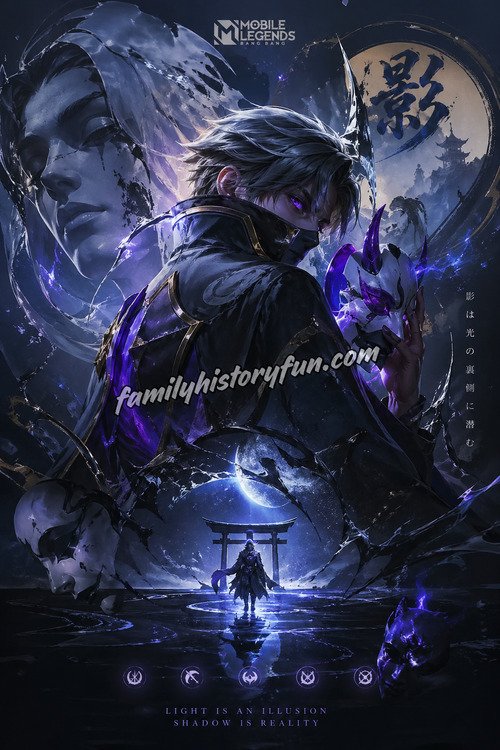
familyhistoryfun.com – Mobile Legends has established itself as one of the most popular multiplayer online battle arena games thanks to its fast-paced gameplay and diverse collection of heroes. Every hero possesses unique abilities and characteristics that allow players to approach matches in different ways. Some heroes excel at protecting allies, while others specialize in dealing damage or controlling the flow of teamfights. This variety creates endless possibilities and ensures that no two matches are ever exactly the same.
Understanding heroes is one of the most important aspects of improving as a player. While mechanical skill and quick reflexes are valuable, success in Mobile Legends often depends on how well players understand their hero’s strengths and weaknesses. Choosing the right approach, adapting to enemy compositions, and cooperating with teammates are all essential components of consistent victory.
The complexity of Mobile Legends comes from the interaction between heroes, objectives, item builds, and team strategies. Every decision influences the outcome of the match, and mastering these elements requires patience, experience, and a willingness to learn. Players who dedicate themselves to understanding the deeper aspects of hero gameplay often find themselves performing more effectively and contributing more to their teams.
The Roles That Define Every Team Composition
Marksman heroes are known for their ability to deal enormous amounts of sustained damage, especially during the late game. Heroes such as Beatrix, Brody, Claude, and Moskov are capable of eliminating enemies quickly once they obtain their core items.
During the early stages of a match, marksmen are generally vulnerable and require careful positioning. Their low durability makes them attractive targets for assassins and aggressive fighters. Because of this, farming efficiently and avoiding unnecessary risks are among the most important priorities for marksman players.
As the game progresses, marksmen become increasingly powerful. Their basic attacks can melt enemy frontliners and destroy objectives with remarkable speed. In many situations, the team’s success depends heavily on keeping the marksman alive during crucial teamfights.
Players who master marksman heroes understand that patience is just as important as aggression. Waiting for the right opportunity to attack often leads to better results than charging recklessly into dangerous situations.
Mages and Their Ability to Influence Teamfights
Mage heroes bring versatility and explosive power to the battlefield. Heroes such as Xavier, Lunox, Valentina, and Cecilion possess abilities capable of changing the course of a battle through burst damage and crowd control.
Most mages occupy the middle lane, which allows them to rotate efficiently and support teammates across the map. Their ability to influence multiple areas makes them valuable assets during the early and mid-game phases.
Unlike marksmen, mages rely heavily on their skills rather than basic attacks. Proper timing and resource management are therefore crucial. Wasting abilities unnecessarily can leave a mage vulnerable and significantly reduce their effectiveness during important engagements.
In teamfights, mages often play a key role in disrupting enemy formations and dealing damage to multiple targets. A well-timed ability can create opportunities for teammates and shift momentum in favor of the team.
Supports and Their Contribution to Team Survival
Support heroes may not always receive the attention given to damage dealers, but their contributions are often invaluable. Heroes like Estes, Angela, Floryn, and Diggie specialize in healing, shielding, and providing utility that strengthens the entire team.
Support players must constantly observe the battlefield and identify teammates who need assistance. Their responsibilities include protecting vulnerable allies, providing vision, and ensuring that the team remains healthy during extended fights.
One of the defining qualities of a strong support player is awareness. Knowing when to heal, when to engage, and when to retreat requires excellent judgment and understanding of the game’s flow.
Although support heroes rarely dominate the scoreboard, their impact is frequently reflected in their team’s ability to survive difficult situations and maintain momentum throughout the match.
How Heroes Adapt Throughout Different Stages of the Match
The early game serves as the foundation for everything that follows. Players focus on farming, securing resources, and building advantages through efficient rotations and lane management.
Heroes with strong early-game potential often attempt to pressure opponents and create opportunities for objectives. Meanwhile, scaling heroes concentrate on accumulating gold and experience to prepare for later stages.
Wave management and map awareness become especially important during this phase. Small advantages obtained early can eventually develop into significant leads that influence the entire match.
Avoiding unnecessary mistakes during the opening minutes helps ensure that heroes reach their power spikes at the appropriate times.
Mid Game and Objective-Oriented Gameplay
As the match enters the mid game, objectives become increasingly important. Teams begin contesting Turtles, turrets, and jungle resources while coordinating rotations across the map.
Heroes with mobility and crowd control are particularly effective during this stage because they can influence fights around key objectives. Proper teamwork and communication often determine which side gains control of the battlefield.
Players must learn to prioritize objectives over kills. Eliminating enemies can be useful, but securing structures and neutral objectives usually provides more lasting advantages.
The mid game is also where many team compositions begin to reveal their strengths. Understanding how to capitalize on these strengths is essential for maintaining momentum.
Late Game and High-Stakes Teamfights
Late-game encounters are often intense and unforgiving. With most heroes reaching full build, damage output becomes extremely high, and a single mistake can decide the outcome of the match.
Positioning becomes one of the most important skills during this phase. Marksmen and mages must remain safe while maximizing their damage, while tanks and supports work tirelessly to protect them from enemy threats.
Vision control and patience are equally important. Teams that rush into unfavorable engagements risk losing crucial objectives and potentially the entire match.
Because respawn timers are much longer during the late game, players must carefully evaluate every decision. One successful teamfight can immediately lead to victory.
Learning Matchups and Counterplay
Understanding how heroes interact with one another is a key aspect of improvement. Certain heroes naturally perform well against specific opponents, while others struggle because of unfavorable matchups.
Learning these interactions allows players to make better decisions during drafting and adjust their strategies accordingly. Knowledge of counters also helps players avoid unnecessary risks and exploit enemy weaknesses.
Experience and practice play major roles in developing matchup knowledge. Over time, players become more comfortable recognizing opportunities and responding effectively to different situations.
Building Effective Items Based on Situations
Itemization is another important factor that separates experienced players from beginners. Following the same build every game may not always produce the best results because different enemies require different approaches.
Players who understand item mechanics can adapt their builds to counter specific threats or enhance their strengths. Defensive items may be necessary against burst damage, while offensive choices can help secure victories when holding an advantage.
Flexibility in item selection demonstrates a deeper understanding of the game and contributes significantly to overall performance.
Maintaining Strong Communication and Teamwork
Mobile Legends is fundamentally a team game, which means communication and cooperation are essential. Sharing information about enemy positions, coordinating objectives, and assisting teammates all contribute to success.
Players who maintain a positive attitude and support their teammates often create better environments for teamwork. Even in difficult matches, effective communication can prevent mistakes and create opportunities for comeback victories.
Strong teamwork transforms individual skill into collective success and allows teams to perform at their highest potential.
Conclusion Mastering Mobile Legends Heroes and Understanding Their Roles in Competitive Gameplay
Mobile Legends heroes provide an incredible variety of playstyles and strategic possibilities. Every role contributes something unique, from the immense damage of marksmen to the protective abilities of supports and the disruptive power of mages.
Mastering heroes requires more than mechanical skill. Players must understand matchups, adapt item builds, communicate effectively, and recognize the importance of teamwork throughout every stage of the game.
As players continue to gain experience and explore different heroes, they develop a deeper appreciation for the complexity and excitement that Mobile Legends offers. Ultimately, true mastery comes from understanding not only how to play a hero, but also how to work alongside teammates and make decisions that lead to victory.